Understanding Your Cat: Why It Rubs and Scratches Against You
Cats are endlessly intriguing creatures. Even lifelong cat lovers admit that their pets can switch from warm and cuddly to aloof and independent in seconds. While a few cats are openly affectionate with everyone, most are more selective. That’s why learning to read your cat’s body language can make your daily interactions smoother and more rewarding.
Why Cats Rub Against You
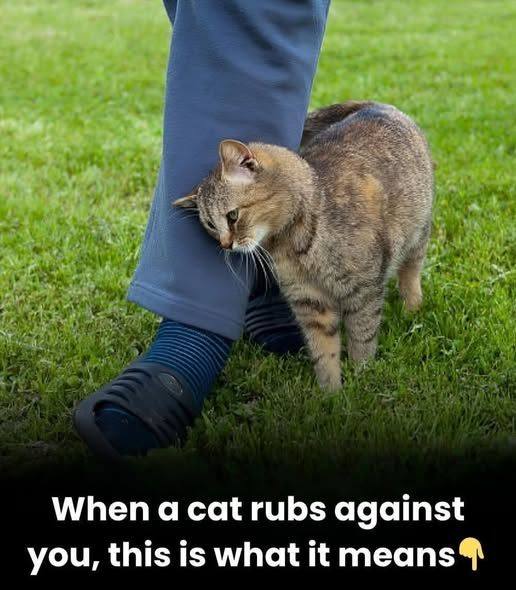
One of the most recognizable—and sometimes puzzling—feline behaviors is rubbing against people or objects, often called bunting. Knowing why cats do it reveals a lot about how they communicate.
A Sign of Trust and Connection
Building a strong relationship with a cat can take time. Personality, upbringing, and past experiences all play a part, meaning some cats warm up quickly, while others take much longer.
Though there’s no universal “cat translation guide,” most behavior stems from natural instincts that indicate affection, stress, insecurity, curiosity, or simple habit. Paying attention to your cat’s unique patterns helps you understand its messages.
The Meaning Behind Bunting
When your cat brushes its face, body, or tail base against you, it’s sending signals. While often affectionate, bunting serves more than one purpose.
Cats have scent glands around their cheeks, forehead, and tail area. These glands release pheromones that help them claim territory and feel safe. When your cat rubs on you, it’s depositing its scent, creating a familiar environment—and marking you as “part of its world.”
Bunting is also a common greeting. According to Dr. Tomeshia Hubbard, DVM, a cat’s whiskers act like sensory tools during these interactions, helping them connect with people.
Because pheromone markings fade, cats “refresh” them often. This explains why they greet you with a rub as soon as you walk in the door—part affection, part re-marking their territory.
Greeting, Exploring, or Seeking Something?
Not all rubbing is meant to say “I love you.” Sometimes it’s simply curiosity. Cats use bunting to examine their surroundings, much like a child using touch to learn.
A few examples:
- Rubbing a cabinet may be a request for food.
- Rubbing a door could mean they want outside.
- Hard, repeated headbutts can hint at discomfort or a need for attention.
If you’re meeting a new cat, don’t assume rubbing means it wants to be pet—wait for other positive signals.
When to Call the Vet
If your cat begins rubbing obsessively, forcefully, or combines the behavior with other symptoms, a health issue may be involved. Concerning signs include:
- Weight loss
- Changes in appetite
- Vomiting or diarrhea
- Excessive grooming
- Hair loss
- Frequent scratching
Allergies, fleas, ear infections, or sensory disorders can contribute to abnormal rubbing habits.
Other Cat Behaviors You May Notice
Tail Movements Aren’t Like a Dog’s
A fast-moving cat tail usually means heightened emotion—anything from excitement to irritation. A twitching tip may signal intense focus on prey or play.
Why Cats Knock Objects Off Surfaces
This behavior is normal. It may be playful, exploratory, due to boredom, or simply a way to get your attention.
The Belly Rub Trap
A cat showing its belly is expressing trust and vulnerability, not necessarily requesting touching. Dr. Sam Meisler, DVM, notes that petting this sensitive area can result in biting or scratching. Understanding limits strengthens your bond.
Final Thoughts
By paying attention to your cat’s cues—from soft rubs to tail flicks—you gain insight into its emotions and needs. The more you learn to interpret these subtle messages, the closer and more harmonious your relationship with your feline companion will become.
If you want, I can also:
 shorten it
make it more scientific
make it more casual or humorous
turn it into a social media post