


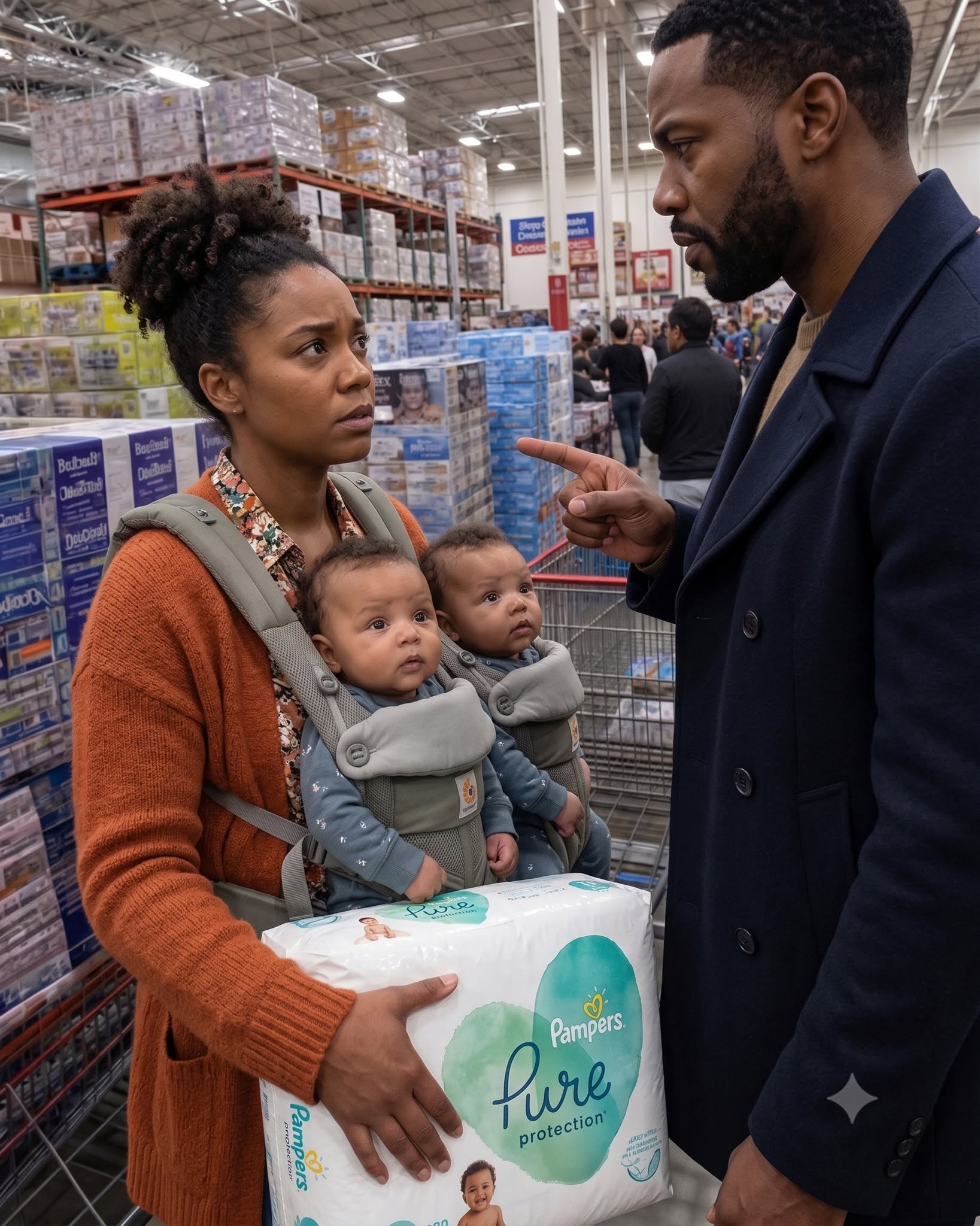
PART 2 — My One Condition
“I agree,” I said quietly, forcing a calm smile onto my face. “I’ll go back to work. But I have one condition.”
Carl leaned back against the couch with a smug grin, clearly convinced he had won.
“What condition?”
“I want everything to be fair.”
He laughed.
“Finally. That’s exactly what I’ve been saying.”
I nodded.
“If we’re splitting every expense fifty-fifty, then we’re also splitting every responsibility fifty-fifty.”
His smile faded just a little.
“I don’t understand.”
“I’ll return to work next month. That means you’ll be responsible for half of everything involving the twins.”
He shrugged.
“Fine.”
I pulled out a notebook I had already prepared earlier that afternoon.
“I’ve made a schedule.”
He frowned.
“A schedule?”
“Yes.”
I opened it.
“Monday, Wednesday, and Friday nights—you’ll handle every feeding from 10 p.m. until 6 a.m.”
He blinked.
“Tuesday, Thursday, and Saturday mornings—you’ll get them dressed, prepare bottles, and take them to daycare before work.”
His eyebrows rose higher.
“Every other weekend, you’ll stay home with the girls while I rest or meet my friends.”
“Carl, you’re joking.”
“No,” I answered calmly. “We’re partners. Partners split responsibilities.”
He shifted uncomfortably.
“I have a full-time job.”
“So will I.”
Silence filled the room.
Then he muttered, “We’ll figure it out later.”
“No,” I said. “We’re figuring it out now.”
I slid another document across the coffee table.
“This is a spreadsheet.”
He looked confused.
“For the past four months, I’ve recorded every hour I’ve spent taking care of our daughters.”
His eyes narrowed.
“What?”
“I timed everything.”
Feeding.
Changing diapers.
Rocking them to sleep.
Doctor appointments.
Laundry.
Bottle sterilizing.
Shopping.
Cleaning.
Night wakings.
Everything.
The total was over sixteen hours of childcare every single day.
Carl stared at the numbers.
“That’s impossible.”
“It isn’t.”
“You must be exaggerating.”
“I have timestamps.”
He didn’t answer.
I continued.
“I also researched the average hourly cost of a night nanny, a daytime nanny, housekeeping, meal preparation, and infant care.”
I handed him another sheet.
“If we hired people to replace everything I’ve been doing for free, it would cost over nine thousand dollars every month.”
His face slowly lost color.
“You’re… kidding.”
“I wish I were.”
He flipped through the pages.
Every calculation included sources.
Every hour was documented.
Every receipt was attached.
For the first time since the twins were born…
Carl looked uncertain.
But uncertainty didn’t last long.
He tossed the papers back onto the table.
“This is ridiculous.”
“No.”
“This is emotional manipulation.”
I laughed softly.
“No, Carl.”
“This is math.”
He stood up.
“I’m not paying someone nine thousand dollars.”
“You don’t have to.”
“You can simply do your half.”
He grabbed his car keys.
“I need some air.”
The front door slammed behind him.
I watched from the window as he drove away without another word.
I wasn’t surprised.
Carl had never liked facts when they contradicted his opinions.
The next morning, I woke up before sunrise.
Both girls were crying.
Carl was still asleep.
I gently shook his shoulder.
“It’s your turn.”
He groaned.
“I worked yesterday.”
“So did I.”
“I was up late.”
“So was I.”
He rolled over.
“I need sleep.”
“So do I.”
The babies cried louder.
I stood there without moving.
Eventually, he stumbled out of bed looking irritated enough to explode.
He picked up one daughter awkwardly while complaining under his breath.
She immediately began crying harder.
“I don’t know why she won’t stop!”
“When was her last bottle?”
“I don’t know.”
“When was her diaper changed?”
“I don’t know.”
“Which formula does she tolerate best?”
“I don’t know.”
His voice cracked with frustration.
“I don’t know any of this!”
I looked at him quietly.
“I do.”
He didn’t respond.
Because for the first time…
He realized caring for babies wasn’t simply “staying home.”
It was a full-time job with no clock-out time.
Later that afternoon, Carl’s mother stopped by unexpectedly.
Margaret adored her son.
She also believed mothers should quietly endure everything.
Carl immediately told her his version of the story.
“She’s trying to charge me for raising my own kids.”
Margaret looked at me with obvious disappointment.
“A good wife doesn’t keep score.”
I smiled politely.
“I agree.”
She looked pleased.
Then I continued.
“A good husband doesn’t count diapers.”
The room became silent.
Carl stared at the floor.
Margaret cleared her throat.
“Well… that’s different.”
“No,” I answered.
“It’s exactly the same.”
I walked into the nursery and returned carrying two unopened packs of diapers.
“The ones Carl removed from our shopping cart.”
I placed them on the dining table.
“Our daughters went through twenty-two diapers in two days.”
Margaret looked surprised.
“That many?”
“Sometimes more.”
I handed her the receipts.
Then I handed her Carl’s spreadsheet.
She spent several minutes reading every page.
Her expression changed completely.
She looked at her son.
“Carl…”
He looked away.
“You embarrassed your wife over this?”
“It’s not just diapers.”
“It’s money.”
Margaret slowly folded the papers.
“No.”
“It’s responsibility.”
Carl rubbed his forehead.
“You don’t understand.”
“I didn’t want twins.”
The words echoed through the room.
Even after hearing them once before…
They hurt just as much.
Margaret stared at him as though she barely recognized the man she had raised.
“What did you just say?”
“I wanted one baby.”
“Not two.”
She took a slow breath.
“Did Emily choose to have twins?”
“No.”
“Did your daughters choose to be born together?”
“No.”
“So who exactly are you punishing?”
Carl opened his mouth…
…then closed it again.
There was no answer.
Because there wasn’t one.
That evening, after Margaret left, Carl remained unusually quiet.
For the first time in months…
He changed both girls’ diapers without being asked.
He prepared bottles.
He even rocked one of them to sleep while I folded laundry.
It wasn’t an apology.
Not yet.
But it was the first crack in the wall he had built around himself.
I watched him carefully.
Because I wasn’t interested in temporary guilt.
I wanted permanent change.
The following Monday, my former manager called.
“We still have your position available if you’re ready to come back.”
I thanked her.
“I’ll give you my answer tomorrow.”
Then I hung up.
Carl looked at me nervously.
“Are you really going back?”
I smiled.
“That depends.”
“On what?”
I opened a folder I had spent the weekend preparing.
Inside were bank statements.
Mortgage documents.
Retirement accounts.
Savings records.
Every financial document from the past five years.
“I think,” I said calmly, sliding the folder toward him, “before we split expenses fifty-fifty…”
“…we should first explain why your paycheck has been shrinking every month while our savings account hasn’t grown at all.”
Carl froze.
The color drained from his face.
Slowly…
Very slowly…
He reached for the folder.
And for the first time since our daughters were born…
It wasn’t me who was afraid of what came next.